
Black Forest Hardwood Floor Resurfacing
Restore Your Floor’s Beauty Without Refinishing
What Our Clients Say



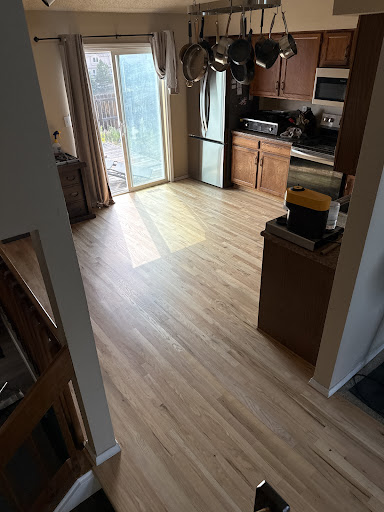


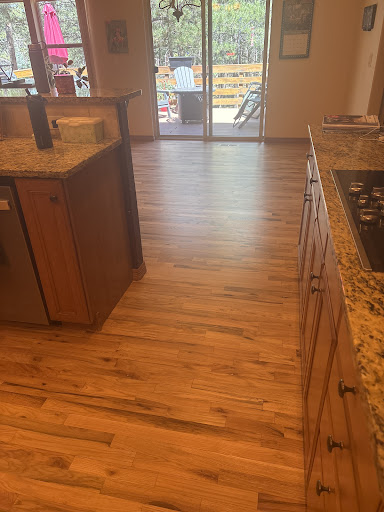

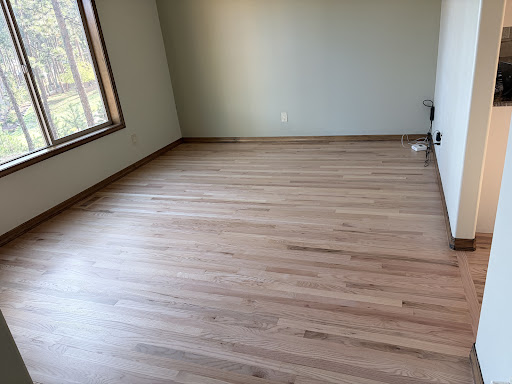


Black Forest Floor Resurfacing
Does My Black Forest Home Need Resurfacing Or Refinishing?
Black Forest homeowners understand that life at 7,400 feet elevation demands special attention to hardwood flooring. The area’s dramatic moisture swings—from winter’s parched air to summer thunderstorm humidity—create expansion and contraction patterns that exceed sea-level conditions by significant margins.
If you reside in Black Forest’s tranquil neighborhoods like Shoup Road estates, Flying Horse North developments, or along the picturesque Milam Road corridor, you’re likely familiar with the question: should worn or lackluster hardwood receive full refinishing treatment, or would the gentler resurfacing approach provide adequate restoration?
Distinguishing between these two restoration methods matters far beyond simple terminology—it’s about selecting the optimal investment for your property’s particular circumstances.
From addressing claw marks left by adventure-seeking pets to reversing the fading effects of Black Forest’s brilliant high-altitude rays, or enhancing your property’s appeal in El Paso County’s dynamic housing market, Peak Hardwood Flooring can make it beautiful again.
We will examine distinctions, advantages, pricing, and factors uniquely relevant to timber flooring in Black Forest’s exceptional elevation and weather patterns.
Understanding The Difference Between Resurfacing And Refinishing
Resurfacing represents a gentler intervention that tackles superficial deterioration through light abrasion of the protective coating followed by fresh polyurethane application.
This approach generally requires one to two days and runs approximately 40-50% below the cost of comprehensive refinishing in Black Forest. It excels for floors exhibiting shallow marks, moderate dullness, or those simply requiring aesthetic enhancement.
Full refinishing constitutes a thorough restoration involving complete removal of all protective layers and stain through deep sanding to expose raw timber, addressing damaged planks, and implementing new stain with several protective coats.
This intensive procedure spans three to five days and demands greater financial commitment. Hardwood floor refinishing becomes essential when confronting severe gouges, pronounced color inconsistencies, moisture infiltration, or board distortion—conditions frequently intensified by Black Forest’s volatile humidity patterns and elevated altitude.
Your optimal selection hinges on current floor status, available resources, scheduling constraints, and future objectives.

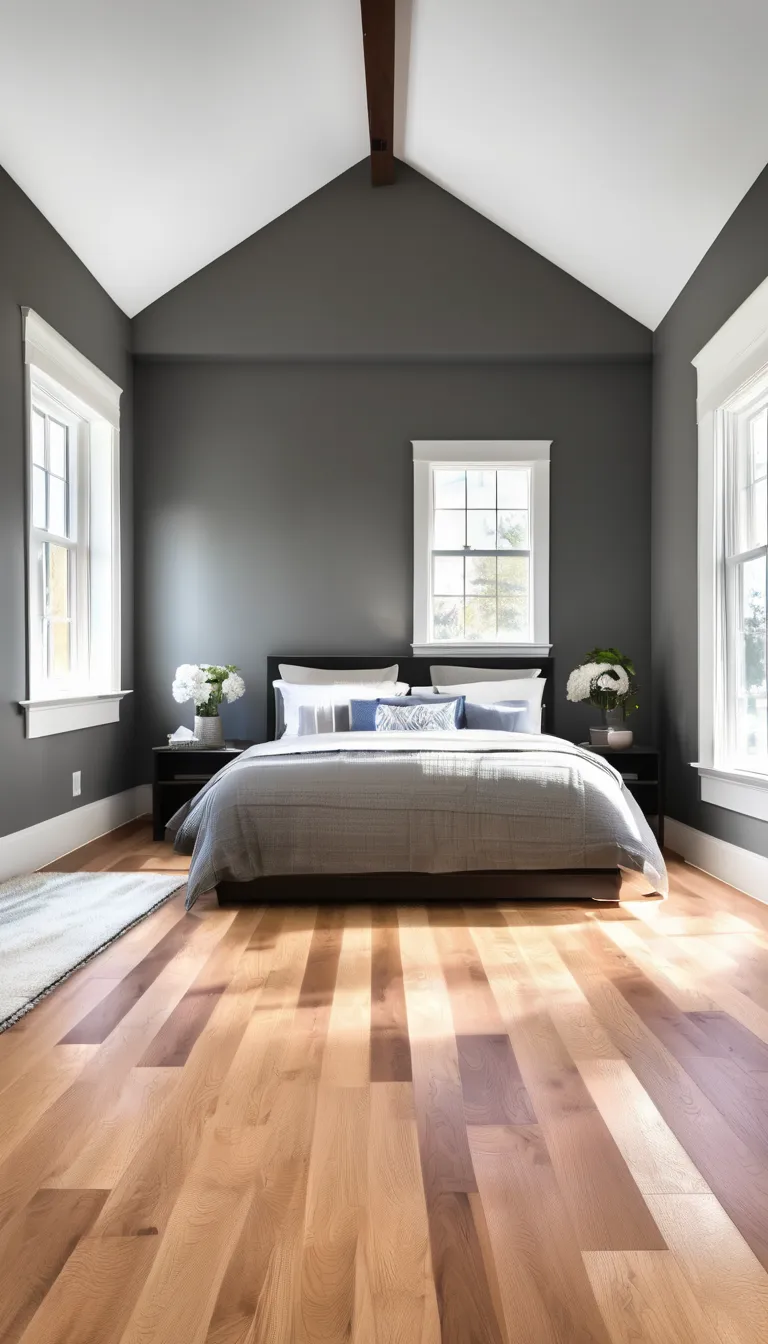
Black Forest’s Distinctive Climate Impact on Timber Flooring
Elevation and Environmental Factors Affecting Your Floors
Black Forest residences exist in conditions that challenge wood flooring differently than most American locations. Situated above 7,400 feet, the reduced atmospheric pressure fundamentally alters timber behavior. This mountainous setting generates multiple distinct complications:
Initially, winter’s exceptionally arid conditions—frequently registering below 20% relative humidity—prompt wood contraction and shrinkage, potentially opening gaps between individual planks.
Subsequently, during seasonal monsoons when moisture levels surge unexpectedly, identical boards absorb atmospheric water and swell outward. This perpetual expansion-contraction rhythm subjects hardwood floors to remarkable strain.
Furthermore, Black Forest’s elevation intensifies ultraviolet exposure by roughly 25% compared to coastal regions, accelerating color degradation and finish breakdown.
This phenomenon appears especially prominent in residences featuring expansive south-facing glazing throughout neighborhoods like Woodmoor and King’s Deer, where daylight penetration is substantial.
Properties in established sections like lower Shoup Road, where numerous structures exceed 40 years of age, typically exhibit these environmental influences most dramatically. Original flooring in these mature homes has weathered multiple decades of Black Forest’s distinctive seasonal cycles, making thorough evaluation critical when contemplating restoration.
Indicators Your Flooring Requires Professional Care
Identifying when hardwood demands expert intervention prevents both unnecessary expenses and future complications. Watch for these telltale signs in your Black Forest residence:
Superficial Deterioration Indicators
- Shallow scratches confined to the protective layer without wood penetration
- Diminished luster or sheen disappearance, particularly along heavily traveled routes
- Minimal surface marks from daily activities
- Modest bleaching from UV bombardment, typical in our elevated locale
Substantial Damage Necessitating Complete Refinishing
- Profound scratches revealing bare timber underneath
- Extensive color variations resistant to standard cleaning methods
- Board cupping or crowning (frequently caused by Black Forest’s moisture volatility)
- Grey or dark staining suggesting water penetration (especially prevalent following snowmelt events)
- Distorted or creaking boards signaling structural complications
Among properties built 15+ years ago, which constitute the bulk of Black Forest’s housing inventory, accurately differentiating between surface deterioration and deeper problems proves particularly vital.
Numerous homeowners throughout neighborhoods like Woodmoor mistakenly interpret routine surface wear as catastrophic damage, pursuing unnecessary refinishing when resurfacing would adequately restore their floors.
Floor Resurfacing – When This Approach Makes Sense
How the Resurfacing Procedure Works
Resurfacing, alternatively termed “screening and recoating,” offers a less aggressive approach targeting surface-level deterioration while maintaining your existing floor’s fundamental integrity. The procedure unfolds as follows:
Initially, technicians gently abrade the uppermost polyurethane layer using buffing equipment fitted with fine screening mesh—crucially avoiding penetration into underlying stain or timber.
This creates textured bonding surfaces for new finish adhesion. Contrasting with refinishing, this method produces minimal particulate matter, a considerable benefit in Black Forest’s naturally dry atmosphere where airborne dust proves especially problematic for respiratory-sensitive individuals.
Following screening, contractors meticulously eliminate all residual dust and particles. Subsequently, they implement fresh polyurethane coating. Throughout Black Forest’s high-elevation environment, water-based polyurethane formulations frequently outperform alternatives as they accommodate our dramatic moisture fluctuations more successfully.
The complete procedure typically spans merely one to two days, requiring limited furniture relocation and minimal household interference. Most Black Forest residences can have primary living zones resurfaced while occupants continue utilizing other home sections, a substantial advantage for active families or remote professionals.
Perfect Scenarios for Choosing Resurfacing
Not every timber floor qualifies for resurfacing treatment. Consider this gentler method when these conditions apply to your Black Forest property:
Your floors display predominantly surface-level wear
Floors bearing light scratches, minor scuffing, or general dullness that haven’t breached the wood itself respond exceptionally well to resurfacing. These superficial imperfections occur more commonly in our region given the gritty outdoor culture that introduces sand and debris into homes.
Your protective coating is compromised but stain and timber remain sound
When your floor’s coloration still appears attractive and damage hasn’t reached the wood layer, resurfacing can reinstate the protective barrier without modifying appearance.
Your property is entering El Paso County’s real estate market
Given our competitive housing environment, restored hardwood floors substantially influence purchaser interest. Resurfacing delivers visual transformation at a fraction of refinishing’s timeline and expense—frequently boosting perceived property value while managing pre-listing expenditures.
You require faster, minimally disruptive service
For households seeking reduced disruption, resurfacing’s abbreviated timeframe (typically one to two days versus three to five days for refinishing) presents an appealing alternative.
Your floors have undergone previous refinishing but not excessively
Residences throughout established Black Forest communities like Fox Run or Black Forest Estates frequently feature older hardwood that’s been refinished multiple occasions. Provided your floors retain sufficient thickness, resurfacing prolongs their lifespan without further diminishing this finite resource.
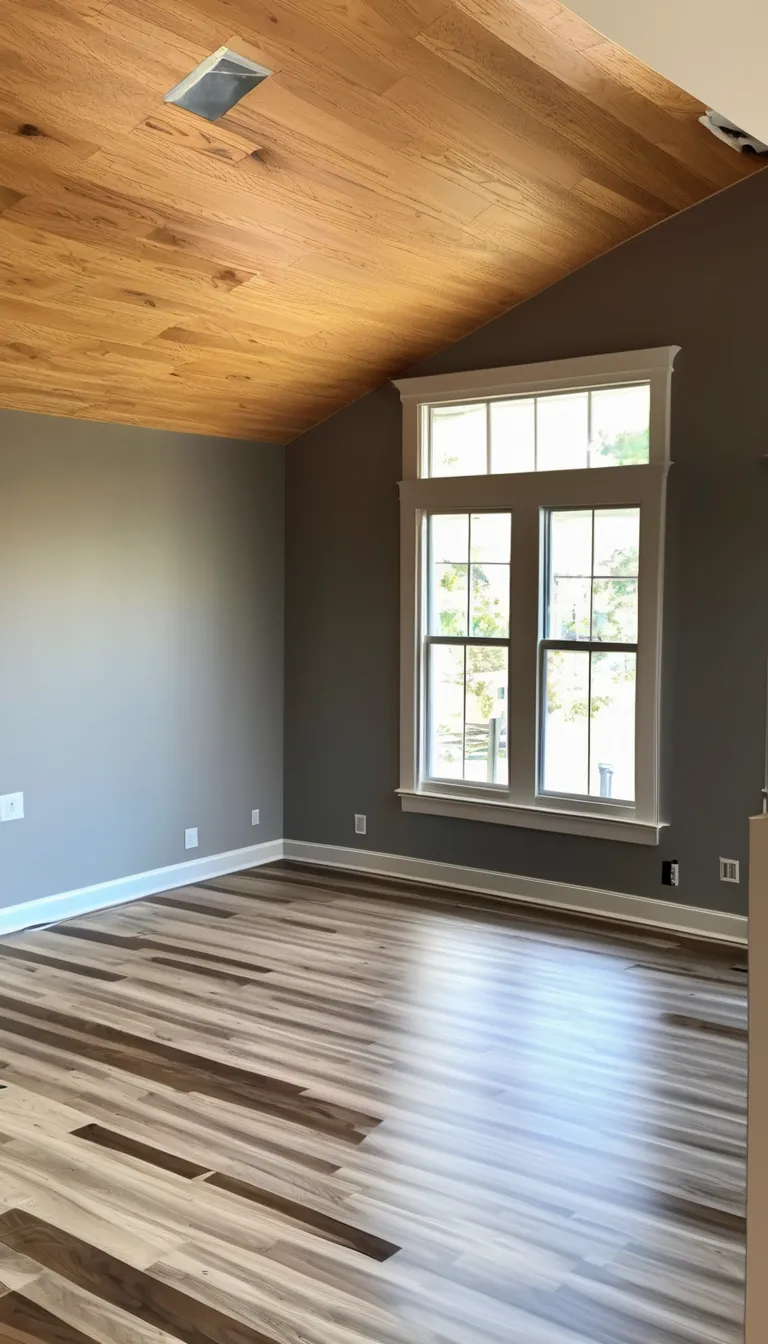
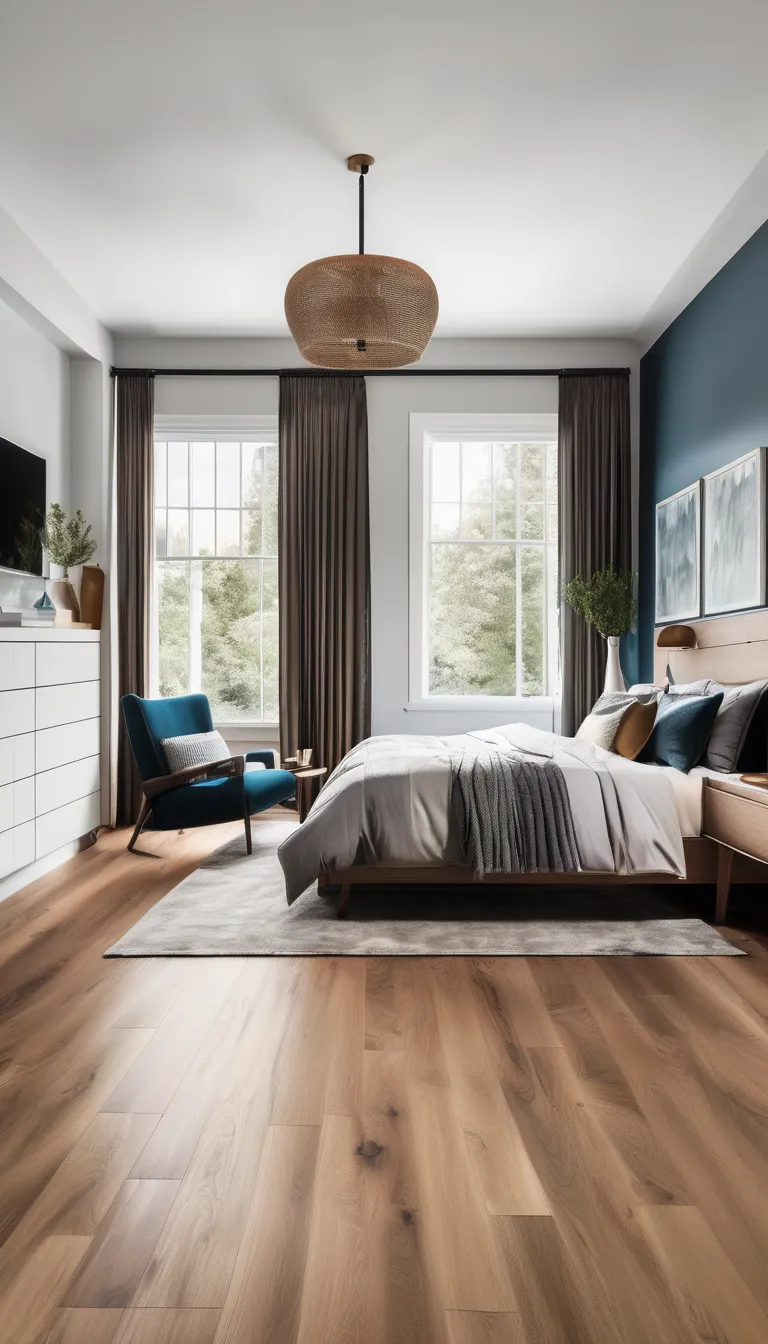
How Full Refinishing Works
When hardwood floors have sustained more considerable damage—a frequent scenario in our demanding climate—complete refinishing becomes unavoidable.
The procedure commences with comprehensive furniture removal from work zones. Subsequently, our specialists employ professional-grade sanding machinery to eliminate all existing finish, stain, and a slight wood layer—typically approximately 1/32 inch.
This intensive sanding eradicates deep scratches, moisture damage, and sun bleaching prevalent in Black Forest residences.
Following initial sanding, professionals advance through progressively finer abrasive grades to guarantee perfectly smooth surfaces. This careful methodology proves especially important in our region, where brilliant sunlight can emphasize even negligible surface flaws.
With naked wood exposed, damaged planks can be properly evaluated and substituted when necessary. When board replacement becomes required, the entire floor must undergo refinishing to guarantee color uniformity—there’s simply no method to match replacement boards to existing flooring without this comprehensive approach.
After repairs, stain gets applied per preference. The arid Black Forest environment actually offers advantages here, as stain typically cures more rapidly than in moisture-laden regions. Finally, multiple protective finish coats are applied, with proper curing intervals between applications.
The complete procedure typically requires three to five days, during which the space remains unusable. Additionally, furniture shouldn’t be returned for no less than 24 hours following the final coat, and area rugs should remain stored for at least two weeks—particularly relevant guidance for our region where area rugs commonly insulate against winter’s frigid floors.
When Complete Refinishing Becomes Necessary
While resurfacing often suffices for hardwood maintenance, specific circumstances render complete refinishing the exclusive viable solution for Black Forest homeowners:
Profound damage penetrating the timber
When scratches, gouges, or dents have breached the finish and entered the wood itself, resurfacing cannot remedy these deeper concerns. This damage type proves particularly common in households with energetic pets and children who embrace Black Forest’s outdoor recreation culture.
Moisture damage from Colorado’s freeze/thaw patterns
Our region’s extreme temperature oscillations can trigger pipe freezing and subsequent water infiltration. When moisture penetrates hardwood, it produces darkening, cupping, or even subsurface mold development. Complete refinishing proves necessary to eliminate the compromised layer and restore floor integrity.
Pronounced sun bleaching
Black Forest’s powerful high-elevation sunlight inflicts more severe UV degradation than lower altitudes. Floors adjacent to large windows frequently develop conspicuous color disparities correctable only by sanding to fresh wood and implementing new stain.
Extreme wear along traffic corridors
Many Black Forest homes exhibit distinct traffic patterns—from entryways where hiking boots are shed to pathways toward Pikes Peak view windows. When these zones display dramatically greater wear than adjacent areas, complete refinishing ensures uniform aesthetics throughout.
Failed previous coatings
Some older properties in established neighborhoods feature floors treated with wax or outdated finishes incompatible with contemporary polyurethanes. In these instances, complete refinishing becomes necessary to establish a clean foundation for new, more resilient finishes.
Board replacement requirements
As previously mentioned, when damaged planks need substitution, complete refinishing represents the sole method to achieve consistent appearance across the entire floor. This proves particularly relevant in older Black Forest neighborhoods where locating exact matching wood species and grain patterns can be challenging.
Frequent Questions About Wood Floor Resurfacing
Should I choose resurfacing or refinishing for my hardwood?
The optimal selection depends on your floor’s present state. Resurfacing excels for surface-level deterioration when underlying stain and timber remain intact. It’s more economical, less invasive, and completed within one to two days—perfect for demanding schedules or pre-sale preparation.
Refinishing becomes essential for deep scratches, moisture damage from Black Forest’s freeze/thaw cycles, substantial UV fading, or when planks require replacement. Though more expensive and time-intensive (three to five days), it addresses serious damage and can extend your floor’s lifespan by decades in our challenging environment.
What exactly does floor resurfacing involve?
Resurfacing (also termed “screening and recoating”) revitalizes hardwood without removing existing stain or cutting into timber. Our technicians employ a buffer with fine screening mesh to gently abrade only the uppermost polyurethane layer, establishing a textured surface for new finish bonding. After thorough cleaning, they implement fresh polyurethane coating.
This procedure generates minimal dust, completes quickly while you remain home, adds years of protection against Black Forest’s intense UV exposure and humidity fluctuations, and costs considerably less than complete refinishing.
How can I improve old hardwood appearance without refinishing?
For Black Forest homeowners seeking to enhance hardwood without refinishing or resurfacing:
- Deep clean using specialized products that preserve wood moisture content.
- Apply revitalizer products to restore brilliance to sun-damaged finishes.
- Use strategic rug positioning to conceal worn zones, rotating them periodically amid our variable humidity.
- Employ touch-up kits for minor scratches from our outdoor lifestyle.
- Consider professional cleaning and polishing services that preserve existing finishes.
- Manage your home environment through humidity control during extreme seasons.
These approaches can prolong intervals between more intensive treatments while addressing the unique challenges of our Black Forest environment.
Get Your Free Quote Today
Ready to determine whether your Black Forest residence requires wood floor resurfacing or complete refinishing? Our high-altitude flooring specialists provide complimentary in-home evaluations designed specifically for the distinct challenges confronting Black Forest homeowners.
During your consultation we will:
- Assess your current floor conditions accounting for our elevation’s effects
- Deliver candid recommendations based on your floor’s specific requirements
- Provide timeline projections customized to your availability
Let’s make your home beautiful!
Call us for a Free Quote at 719-660-2671.
Service Area
Bear Creek · Black Forest · Briargate · Broadmoor · Broadmoor Bluffs · Broadmoor Oaks · Cedar Heights · Cheyenne Mountain · Constitution Hills · Cordera · Cottonwood Creek · Deerfield Hills · Downtown · Falcon Estates · Flying Horse · Fountain Valley · Gatehouse Village · Gleneagle · Interquest · Ivywild · Kettle Creek · Kissing Camels · Memorial Park · Mountain Shadows · Northgate · Oak Valley Ranch · Old Colorado City · Old North End · Park Vista · Peregrine · Pine Cliff · Pine Creek · Pleasant Valley · Ridgeview · Rockrimmon · Sand Creek · Skyway · Soaring Eagles · Southgate · Spring Creek · Springs Ranch · Stetson Hills · Stratmoor · Stratmoor Hills · Stratton Meadows · Sunset Mesa · University Park · Venetian Village · Vista Grande · Wolf Ranch
We also serve the following communities:
Cascade · Chipita Park · Eastonville · Falcon · Fountain · Green Mountain Falls · Manitou Springs · Monument · Peyton · Security · Widefield · Woodland Park